Synchronized Chaos First March Issue: Fingering the Spines

Tunnel of Books in a Prague bookstore, c/o Petr Kratochvil

Regular contributor Bill Tope has launched a new literary magazine, Topiary, which is now accepting submissions! Please send short stories to billtopiary1950@gmail.com.

In March we will have a presence at the Association of Writing Programs conference in Baltimore which will include a free public offsite reading at Urban Reads on Friday, March 6th at 6 pm. All are welcome to attend!

So far the lineup for our reading, the Audible Browsing Experience, includes Elwin Cotman, Katrina Byrd, Terry Tierney, Terena Bell, Shakespeare Okuni, and our editor, Cristina Deptula. If there’s time, an open mic will follow.

Our Urban Reads bookstore in Baltimore

Our next issue, Mid-March 2026, will come out Sunday March 22nd.

Yucheng Tao announces the winners of his poetry competition, Steve Schwei and Mark DuCharme. We’ve invited both winners to submit their poetry to Synchronized Chaos for everyone to read!

Now, for March’s first issue! This issue, Fingering the Spines, pays homage to our annual in-person reading, the Audible Browsing Experience. It’s a visual metaphor for looking through various titles in a global bookstore or library.

Genevieve Guevara rings in the dynamic energy of the Fire Horse for Chinese New Year.

Odiljonova Mohlaroyim Iqboljon qizi celebrates the many styles of Uzbek spoken word art. Umarova Gulsevar Ubaydullo qizi highlights the rich semantic and lexical expressiveness of the Uzbek language. Shuhratova Mohinur Abbosjon qizi explores the layered meaning of “k’o’ngil” (heart) in the Uzbek language.

Image c/o Lode Van de Velde

Jesus Rafael Marcano celebrates the beauty of France, likening the nation to butterflies. Timothee Bordenave honors the beauty and majesty of Christian faith, as shown through Notre Dame. Su Yun’s abstract work reflects a meditative, spiritual sensibility. Soumen Roy describes a physical and mental journey towards spiritual inspiration.

Abdumajidova Zuhroxon Ibrohimjon qizi explores themes of hardship and endurance, destiny, faith, patriotism, and loyalty in Shuhrat’s classic Uzbek novel Oltin Zanglamas. Iroda Ibragimova explores themes of resilience and human dignity through oppression in Shukrullo’s novel Buried Without a Shroud. Bakhtiyorova Zakro Farkhod qizi speaks to the role of the short story in Uzbek literature. Ro’zimatova Madinaxon Sherzod qizi analyzes themes of strength, weakness and humanity in Abdulla Qahhor’s story “Ming bir jon.” Anvarova Mohira Sanjarbek qizi contributes a heartfelt poem from the perspective of Gulchehra, a character in O’lmas Umarbekov’s “Being Human is Hard.”

Azimov Mirsaid draws on Ray Bradbury and traditional Uzbek crafts and hospitality to illustrate the value of human warmth and imperfection. Dr. Jernail Singh Anand urges humanity to look into the words of our past and present writers and philosophers for wisdom in this age of great technological advancement. Dr. Jernail Singh Anand also expresses hope for the continuance of human creativity in the age of artificial intelligence. Daniela Chourio-Soto renders all-too-human morning sleepiness with lively humor. Eva Petropoulou Lianou explores the feelings and inspirations of emerging Greek painter Vivian Daouti.

Author Victoria Chukwuemeka discusses her creative journey towards exploring psychology and the subconscious, becoming deeper and more straightforward in her words. Kassandra Aguilera’s work mourns her speaker’s incompleteness, probing whether we need observers to fully realize ourselves. Ananya S. Guha reflects on distance, separation, and reunion, how roads can both bring us apart and together.

Image c/o Petr Kratochvil

Emeniano Somoza poetically compares creative writing and glassblowing: arts where creators shape, rather than force, their materials. Poet Su Yun collects a set of poems from children at the East-West Public School in Bangalore on the theme of “the power of the pen vs the sword.” Taylor Dibbert’s short piece is almost anti-poetry, suggesting without communicating a metaphor.

Stephen Jarrell Williams’ poetry speaks to the risks and joys of openness to emotion and experience. Komilova Parizod reminds us to make the most of our lives and appreciate the joy around us. Priyanka Neogi urges us to act with wisdom and restraint. Boymirzayeva Dilrabo highlights the importance of motivation and discipline in reaching one’s goals.

Sobirova Oydinoy Nozimjon qizi discusses symptoms and types of neurosis. Mashhura Ochilova speaks with poignance and grace of a young woman’s inner battle with depression. Graciela Noemi Villaverde speaks to gaining wisdom through life’s losses. J.J. Campbell’s voice is older, raw, bruised, with hard-won exhaustion and experience.

Axmedova Gulchiroyxon expresses her tender love and concern for her mother. Nurmurodova Masrura Xurshedovna honors the patient, dedicated, behind-the-scenes love of her father. Gulsanam Sherzod qizi Suyarova explicates the value of friendship and how to be a good friend. Aminova Feruza Oktamjon kizi celebrates the beauty and innocence of young love. Qozoqboyeva Husnida yearns with devotion for her soulmate’s arrival. Mesfakus Salahin falls into a reverie about a fanciful love that exists between his imagination and his memory. Prasanna Kumar Dalai smiles through a delicate and tender love. Joeb expresses his hopes for personal and global love and peace. Lan Xin celebrates transcendent union with all others and the universe, with the world as her homeland, in her fanciful dinner piece. Husanxon Odilov laments a love which he acknowledges will never return. Nicholas Gunther reflects on a high school lost love or friendship through a casual ghazal. Bill Tope and Doug Hawley present an unusual relationship arrangement that seems to make several older people happy. Masharipova Yorqinoy Ravshanbek qizi celebrates the tenderness of a mother’s love. Brian Barbeito’s gentle childlike piece creates a surreal atmosphere rich in memory and care. Orzigul Sharobiddinova Ibragimova versifies her love and longing for her Uzbek homeland.

Image c/o Kai Stachowiak

Zarifaxon Nozimjon Odilova qizi highlights the historical contributions of Uzbek statesman and humanist leader Zahriddin Muhammad Babur. Toshkentboyeva Xumora outlines the contributions of Amir Temur to modern Central Asian statecraft. Poet Lan Xin highlights the wisdom and compassion of Chinese Dongba cultural leader Wan Yilong. Abdusaidova Jasmina explicates themes of spirituality, heritage, and love in Alisher Navoiy’s writing. Abduxalilova Shoxsanamxon Azizbek qizi celebrates the benefits of reading culture for society.

Murodova Zarin Sherali qizi explicates the importance of language learning in world communication and international and intercultural relations. Khusanjonova Mukhtasarhkon Khamdamjon qizi discusses how podcasts can help those learning English as a foreign language. Turdimuradova Zulfera Sattor qizi analyzes the use of blended learning in teaching English as a foreign language. Suyunova Zuhra Oybekovna speaks to the importance of writing skills to language learning.

Olimova Marjona Ubaydullayevna celebrates the literary heritage of Zulfiya and her themes of patriotism, women’s dignity, and compassion. Munisa Yo’ldosheva highlights how Zulfiya’s life influenced her works and her contributions to supporting emerging authors. Nozigul Baxshilloyeva discusses emotional and spiritual themes within Zulfiya’s work and how they affect Uzbek readers. Sultonova Shahlo Baxtiyor qizi highlights the literary and cultural influence of Zulfiya’s poetry. Jurayeva Barchinoy does the same, while also highlighting her commitments to education and women’s rights. Nematullayeva Mukhlisa Sherali kizi relates the value of Zulfiya’s work through a narrative story. Gayratova Dilnavo highlights the enduring legacy of Zulfiya’s work, especially what it means for many Uzbek women.

Loki Nounou’s piece dramatizes a woman stripped of her individuality in a toxic marriage, becoming only a vessel to hold others’ dreams. Abigail George probes the maternal and domestic as both sacred and violent, an origin and a wound, along with critiques of colonialism and the power of self-kindness. Manik Chakraborty calls for a natural, spiritual feminine awakening. Asadullo Habibullayev warns of the dangers and social injustices young women can face in Uzbekistan, even when educated, and calls for the younger generation to respect the wisdom of their elders. Eva Petropoulou Lianou urges respect for women and for the roles women play in society, including motherhood. Maxmarajabova Durdona Ismat qizi celebrates the love and care of human mothers and the value of Mother Earth.

Image c/o Sulvia

Zamira Moldiyeva Bahodirovna analyzes what the nature motifs in Alexander Feinberg’s work reveal about his thoughts on memory and identity. Noah Berlatsky draws on trees to illustrate our shared human heritage, how we connect to each other and hold each other up. Dilafruz Muhammadjonova presents a natural and cultural tour of Uzbekistan’s Andijan province. Suyunova Fotima Oybekovna reminds us of how crucial it is to preserve the environment. O’gabek Mardiyev outlines ways to improve the efficiency of solar power generation. Shavkatova Mohinabonu Oybek qizi urges improvements in Uzbek public transit to encourage tourism as well as benefit ecosystems. Sultonaliyeva Go’zaloy Ilhomjon qizi analyzes the social, cultural, ecological and economic aspects of tourism in Central Asia. Turgunov Jonpolat discusses the ways in which media framing of climate issues affects how people address the problem. Surayyo Nosirova highlights the need for more consistent communication from journalists to the public about climate change in Uzbekistan.

The works of primary school children in China, collected by Su Yun, reflect moments of happiness and ordinary summer fun in nature. Alan Patrick Traynor’s Irish-inspired piece becomes incantatory, mystical, inhabiting littoral and transitional zones at the ocean’s edge. Tea Russo’s spiderweb poem seeks both expansive transcendence and the peace of oblivion, melding into various aspects of nature. Turkan Ergor dreams of the permanence of the ocean’s waves. Eleanor Hill reflects on the calm strength and dignity of a whale, unbothered while creating waves and blowing bubbles. Ri Winters turns to the ocean and its kelp forests as metaphor for the deep, isolating, yet restful morass of depression.

Brian Barbeito sends up a preview of his book Of Love and Mourning, highlighting the original content and the memorials to beloved pets who have passed. Filmmaker Federico Wardal celebrates a film award for a very humane documentary about veterinary care that saved the life of a racehorse. Jerrice J. Baptiste’s piece, accompanied by gentle, colorful artwork, expresses a graceful and natural surrender to death. Sayani Mukherjee’s piece sits between devotion and restlessness, calling the sky a neighbor yet screaming at stars. Mykyta Ryzhykh crafts a fevered love elegy at the edge of war, eros, and annihilation.

Patrick Sweeney sends up a set of index cards from a memory archive. Mark Young’s altered geographies trace the outlines of innocence, memory, and rupture. John Grey’s urban character and landscape pieces show dry, unsentimental grace.

Image c/o Jacques Fleury

Duane Vorhees’ poetry meditates on time’s circularity, embracing contradictions and the past, present, and future. Ibrahim Honjo reflects that one day his home and everything he knows will fade into memory. Christopher Bernard continues exploring hope, ruin, and creative resilience in the second installment of his prose poem “Senor Despair.”

Maja Milojkovic speaks to the implacable ticking of conscience. Mahbub Alam laments the selfishness and wickedness of humanity. James Tian dramatizes the pain of being underestimated, dismissed, and misunderstood. Mark Lipman calls for greater taxes on the wealthy and for economic egalitarianism. Jacques Fleury hoists his commentary on the fragility of modern democracy on the scaffolding of an extended construction metaphor.

Rahmatullayeva Elmira Rahimjon qizi discusses how we form the value systems that guide our lives. Abduraufova Nilufar Khurshidjon qizi outlines the national values and traditions of the Uzbek people. Islomova Maxsudaxon Axrojon qizi explores ways to inculcate values into Uzbekistan’s young people in school through exposing them to the great thinkers of their heritage. Botirova Mubina looks into ways Uzbekistan’s civil society can uplift teens and prevent delinquency through communicating their national values. Abdullayeva Ezozaxon Qobuljon qizi highlights the importance of social and financial investment in education. Ismoilova Jasmina Shavkatjon qizi highlights the importance of quality education for social progress.

Axtamova Orastaxon Salimjon qizi outlines strategies to assist autistic children’s psychological development. Rajabova Nozima highlights methods of improving young students’ reading comprehension. Dildoraxon Turg’unboyeva outlines the effectiveness of play-based learning methods in education. Sevara Tolanboy Mahmudova qizi discusses educational games for preschoolers. Turgunboyeva Dilafruzxon highlights the importance of preschool education to a child’s development. Muxlisa Olimjon qizi Tursunaliyeva and Adhamova Irodaxon Akmal qizi discuss ways to help educate children with learning disabilities. Dilnora Habibullo qizi discusses interactive methods for teaching children with and without special needs. Burhonova Lobar outlines suggestions for working with children on the autism spectrum. Hikmatova Nigorakhon Hasanboy qizi discusses how to upgrade physical education and make the activities more interactive. Turg’unova O’g’iloy Ravshanbek qizi discusses ways to incorporate physical activity into children’s academic education. Shahobiddinova Sevinch explores the use of educational games in primary education. Arziqulova Adiba details various interactive strategies for engaging young children in educational activities at school. Mashhura Kamolova analyzes the limitations of examinations in terms of measuring student capabilities.

Image c/o Victoria Borodinova

Orinboyeva Zarina discusses how to help children psychologically and emotionally navigate their parents’ divorce. Botiriva Odinaxon elevates the teaching profession and calls for professional development and competence in those who educate young children. Nishonboyeva Shahnoza speaks to her wisdom and dedication towards her goal of becoming a preschool teacher.

Kadirova Feruzakhan Abdiyaminova discusses interactive games that could be useful in science education. Oroqova Nargiza outlines the rise of allergies in children and speculates on the causes. Umidjon Hasamov highlights the potential for artificial intelligence in medical diagnostics. Yunusova Sarvigul Siroj qizi highlights the importance of early screening for gastrointestinal cancer. Rajapova Muqaddas Umidbek qizi highlights the structure and function of the circulatory system.

Shohnazarov Shohjaxon highlights the impact of inflation on a nation’s economy and strategies for managing it. Mamadaliyev Kamronbek highlights the need for cybersecurity technology and cautions about cyberattacks as a weapon of war.

Dr. Jernail S. Anand calls out poets and academics whose lofty ideas don’t connect to present-day reality. While we are all capable of flights of fancy, we hope that this issue is grounded in our world and our humanity.

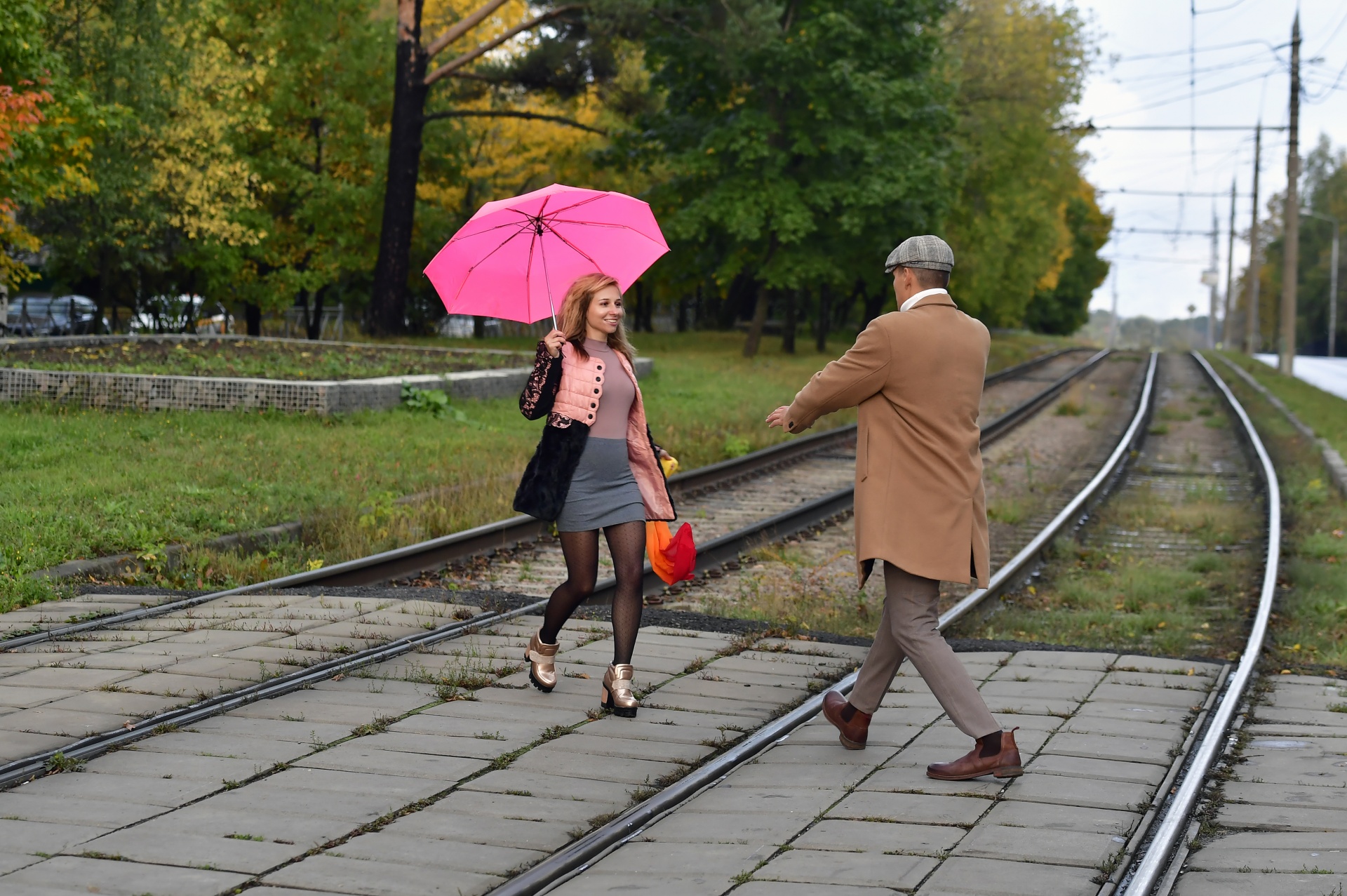
Poetry from Aminova Feruza Oktamjon kizi

Love

Beneath the Majnun tree, two butterflies

Flutter delicate wings, chasing one another.

In a single day, these two beings hide

Feelings that would last a lifetime.

Dawn breaks, the sun scatters light upon the earth—

Perhaps it too searches for a lonely companion.

The moon, hiding in the bosom of night,

Perhaps seeks love from the stars.

Rain falls drop by drop from the sky—

Perhaps it too suffers the torment of love.

Under an umbrella, a solitary young man,

That girl… her smile… Lost in a whirlpool of thoughts.

With a beautiful smile upon her lips,

That “moon” whose eyes wandered among the stars—

Little did the playful young man know,

He had already found a place in her heart.

Essay from Axtamova Orastaxon Salimjon qizi

Autistic Children. We Are Always Together

Compiler: Axtamova Orastaxon Salimjon qizi – Student of Speech Therapy (Logopedics)

Annotation:
This article discusses the practical aspects of psycho-corrective work in the successful socialization of children with autism spectrum disorder (ASD). It analyzes the psychological characteristics of social adaptation problems in children with autism and outlines effective approaches for intervention. The paper also explains what autism is, when it first becomes noticeable, its classifications, and how to build appropriate relationships with children on the autism spectrum.

Key words: Autism, psychocorrection, early childhood autism, adolescent autism, adult autism, external speech, monologic speech, stereotypical movements, social interaction.

Introduction

In modern psychology, increasing attention is being paid to emotional development and its role in personality formation. Emotions serve as an internal signaling system that helps individuals evaluate events, regulate behavior, and respond appropriately to different situations. When the emotional-volitional sphere develops typically, a child can interpret social cues, adapt to environmental changes, and establish relationships. However, disturbances in this sphere may significantly affect communication, behavior, and social adaptation.

One of the developmental disorders associated with emotional and communicative impairments is autism. Autism (from the Greek word “autos,” meaning “self”) refers to a specific psychological condition in which a person withdraws from social interaction and prefers isolation. The term “autism” was introduced into scientific literature in 1912 by Eugen Bleuler. Later, in 1943, Leo Kanner provided one of the first detailed descriptions of early childhood autism in his work Autistic Disturbances of Affective Contact.

Autism spectrum disorder is more commonly diagnosed in boys than in girls. The first signs usually appear before the age of three, although in some cases they may be noticeable during infancy. Early detection plays a crucial role in ensuring effective intervention and better developmental outcomes.

Clinical Characteristics and Symptoms

Children with autism spectrum disorder often demonstrate difficulties in social interaction, communication, and behavior regulation. Common symptoms include:

  • Limited or absent eye contact;
  • Delayed speech development or lack of functional speech;
  • Indifference to separation from or reunion with parents;
  • Preference for solitary play;
  • Repetitive behaviors and stereotypical movements;
  • Strong attachment to routines and resistance to change;
  • Hypersensitivity to sounds, light, or touch.

Speech development in autistic children may vary. Some children do not speak at all, while others may use echolalia (repeating words or phrases without understanding their communicative meaning). Monologic speech may be present, but interactive dialogue is often limited.

According to the International Classification of Diseases (ICD-10), autism-related disorders are categorized under F84, including childhood autism, atypical autism, Rett syndrome, and Asperger syndrome. These classifications reflect differences in symptom severity, onset, and associated developmental conditions.

Classification of Early Childhood Autism

Early childhood autism can be divided into four conditional groups based on behavioral patterns:

Group 1: Children who show almost complete indifference to the external world. They avoid eye contact and physical touch and demonstrate minimal emotional response even toward parents.

Group 2: Children who are isolated but maintain limited contact with close family members. They are highly dependent on routines, specific foods, clothing, or environments. Any change may lead to emotional outbursts.

Group 3: Children immersed in narrow and often unusual interests. These interests may not be educational and can include repetitive or fantasy-based themes.

Group 4: Children who are extremely sensitive and emotionally vulnerable. They desire interaction but struggle to cope with criticism or unexpected changes.

Understanding these groups helps specialists develop individualized psycho-corrective programs.

Causes and Risk Factors

The exact causes of autism spectrum disorder remain unclear. Research suggests a combination of genetic and environmental factors. Possible contributing factors include genetic predisposition, prenatal stress, exposure to environmental toxins, heavy metals such as lead and mercury, complications during pregnancy, anemia, hypertension, and ecological pollution.

Previously, autism was considered purely genetic, but recent studies emphasize the multifactorial nature of the disorder. Importantly, autism is not caused by parenting style or emotional coldness of caregivers, as was mistakenly believed in the past.

Psychocorrection and Social Adaptation

Psychocorrectional work plays a vital role in supporting children with autism. Early intervention programs may include speech therapy, behavioral therapy, sensory integration therapy, and social skills training. The goal of psycho-corrective work is to develop communication skills, reduce stereotypical behaviors, enhance emotional regulation, and improve adaptive functioning.

Speech therapists help children develop functional communication, whether verbal or alternative (such as gestures or visual systems). Structured routines and visual supports are often beneficial. Gradual exposure to social environments also improves adaptive skills.

Family involvement is essential. Parents should treat autistic children as capable individuals, providing responsibilities appropriate to their developmental level. Considering them “defective” or equating autism with intellectual disability may hinder progress. Many children with autism have average or above-average intelligence.

Conclusion

Autism is not a dangerous or hopeless condition. It is not a verdict. Individuals with autism live among us and can achieve remarkable success when provided with understanding, acceptance, and professional support. Early identification, environmental modification, and consistent psycho-corrective intervention significantly improve long-term outcomes.

Society must replace fear and misunderstanding with knowledge and empathy. Accepting autistic children as equal members of the community and offering them appropriate educational and social opportunities will facilitate their successful integration. With timely support, many individuals on the autism spectrum grow into independent, talented, and socially active adults.

Interview with Nigerian poet and prose writer Victoria Chukwuemeka

How would you describe your style? What’s your craft like, what forms do you like to use, what do you write about? 

Well, my style is narrative, introspective, and emotionally driven. I like to write pieces that explore the spoken and unspoken realities of life. I’m attracted to lyrical prose and layered metaphors, but I also value clarity. I want my work to feel real, almost like the reader is the one experiencing in it. 

When it comes to form, I enjoy writing poems, short stories, and reflective essays. I’m especially interested in writing about identity, memory, society, culture, and the psychological make-up we carry within us.

What inspires you to write? How and where do you get your ideas? 

One of the things that majorly inspires me to write is myself; my experiences. The times I battle depression, my childhood memories, the moments I cry, the times I feel happy, and the ways I’m affected by what’s happening in my country and environment.

I often reflect on the contradictions within myself and in other people. It’s about what I feel versus how it affects humans and the world around me. Many of my ideas come from what has happened to me. I listen closely to myself and pay attention to every emotional shift.

It often starts with simple questions like: What causes sadness? Why do I experience it? Do other people experience it too? What does silence mean in this moment?

I also draw inspiration from everyday life: the traffic, news headlines, and the condition of the nation. Writing is my way of processing the world.

I see that you’ve studied psychology. Has that inspired or affected your writing? 

Studying psychology has deeply influenced my writing positively I must confess. It has sharpened my understanding of motivation, trauma, attachment, and internal conflict. I’m fascinated by the subconscious. It has helped me write with more empathy and subtlety.

What other authors do you admire? What are some of your favorite books? 

I admire writers who explore emotional and psychological depth. Authors like Chimamanda Ngozi Adichie for her layered storytelling and cultural honesty, and Rockne for his exploration of emotional and introspective themes. 

Some of my favorite books include Purple Hibiscus and Late Morning in Midnight.

How has your writing changed over the years? How has your style evolved? 

Yes. When I first started writing, I focused more on sounding impressive; using complex vocabulary, dramatic imagery and excessive figurative language. Over time, I’ve learned that simplicity can be more powerful. My writing has become more intentional and emotionally now.

I’ve also become bolder. I’m less afraid of vulnerability now. I’ve realized that the more honest I am, the more readers connect.

Chukwuemeka Victoria’s poem “Ephemeral” is featured in Synchronized Chaos Magazine. She’s also been published in Brittle Paper, Kalahari Review, Art lounge Magazine, KISA Short story Anthology, Poetry Soup, Aprilcentuar Network, DLit review, PoeticAfrica, and elsewhere. 

Essay from Sobirova Oydinoy Nozimjon qizi

Neurosis and Its Contributing Causes

Andijon State University
Faculty of History and Social Sciences
Department of Psychology (Distance Learning)
1st-Year Student

Sobirova Oydinoy Nozimjon qizi
Email: osobirova983@gmail.com

Annotatsiya: Mazkur maqolada shaxsning nevroz holati va unga olib boruvchi sa-bablar tahlil qilinadi. Tadqiqot metadologiyasida talabalarning nevrotik xolati stress darajasini aniqlash uchun tadqiqot olib borildi. Nevrozga olib boruvchi ruhiy travmalar, stress, depressiya va ruhiy jarayonlarning oldini olish va kamaytirish bo’yicha psixologik  tavsiyalar berildi. Ushbu maqola natijasida nevroz holati keng yoritilib unga olib boruvchi sabablar aniqlanadi.

Kalit sozlar: psixoterapiya, depressiya, stress, psixotravma 

Аннатация: В данной статье анализируется состояние невроза личности и причины, приводящие к его возникновению. В методологии исследования проводится изучение невротических состояний студентов с целью определения уровня стресса. Рассматриваются психические травмы, стресс, депрессия и другие психологические процессы, приводящие к неврозу, а также предлагаются психологические рекомендации по их профилактике и снижению. В результате исследования подробно раскрывается сущность невроза и определяются факторы, способствующие его возникновению.

Ключевые слова: невроз, психотерапия, стресс, депрессия, психотравма, тревожность, эмоциональное напряжение.

Annatation: This article analyzes the neurotic state of personality and the factors that lead to its development. In the research methodology, a study is conducted to determine the stress level and neurotic conditions among students. Psychological trauma, stress, depression, and other mental processes leading to neurosis are examined, and psychological recommendations for prevention and reduction are provided. As a result of the study, the nature of neurosis is broadly explained and the causes contributing to its occurrence are identified.

Keywords: neurosis, psychotherapy, stress, depression, psychological trauma, anxiety, emotional tension.

Introduction

Nowadays, people are experiencing an increase in mental disorders, stress, depression, and psychotrauma. Such changes lead to a mental state called neurosis in psychotherapy. The term neurosis was introduced into science in 1769 by the Scottish physician William Cullen. Historically, it has been studied as a result of mental trauma, internal conflicts, and psychogenic factors, and was developed by Sigmund Freud and other psychoanalysts in the 19th and 20th centuries. Initially, neuroses were considered physical nervous diseases, but later more attention was paid to mental and emotional disorders. Currently, neurosis is associated with psychological trauma.

Causes leading to neurosis: constant stress, depression, chronic fatigue, poor daily routine, personal psychological factors. In a neurosis, a person’s emotional state, behavior, and quality of life are significantly reduced. Constant irritability, strong anxiety, panic, fear, sleep disturbances, various body pains, loss of interest in life, sticky fantasies in the brain, inability to concentrate, memory problems.

Review of the used literature..

In the present study, an analysis was carried out based on the scientific works of leading scientists in the field of psychotherapy and neuropsychology and the results of modern research to clarify the concept of neurosis and its causes. During the literature review, the theoretical foundations of the problem of neurosis and its causes were examined based on various approaches. In particular: Bessel and der Kolk’s trauma theory explains that childhood traumas later lead to neurotic states, and the importance of processing trauma through psychotherapy. The interdependence of the body and the psyche is interpreted as the main source. Joseph Le Doux connects neurosis with brain activity. This approach explains that a person develops a constant state of anxiety as a result of changing brain reactions to severe stress. Also, the works of scientists such as Albert Ellis and Aaron Beck are of great importance in the causes of neurosis and its reduction and elimination. Their research shows that neurosis is not only associated with brain activity, but also with cognitive, biological and traumatic factors. The literature written by local scientists covers the origin, causes and treatment of neurosis in detail. Neuropsychologist Zarifboy Ibodullayev. has scientifically proven that the origin of neurosis is based on social factors and psychotrauma. In general, a review of the literature used shows that neurosis was studied in different periods, based on different approaches, and its origin was based on a combination of biological, social and psychological factors.

Research Methodology

This study uses the questionnaire method to study the psychological characteristics of neurosis. 30 students aged 18-25 participated in the study. A questionnaire consisting of 15 questions was developed for the study. The research process was carried out in 2 stages. In the 1st stage, a questionnaire was tested. In the 2nd stage, the results were analyzed. They answered Yes or No on a 1-5-point scale

1 I often get nervous

2 I feel anxious for no reason

3 I often have trouble sleeping

4 I get tired easily

5 I have difficulty concentrating

6 I take small problems seriously

7 I get moody easily

8 I am under a lot of stress from studying or work

9 I think a lot and get “stuck” on one idea.

10 I worry too much about the future

11 My self-confidence sometimes decreases

12 I feel tired even when I rest.

13 I sometimes can’t get out of depression

14 I often have headaches or muscle tension

15 I feel a rapid heartbeat or internal discomfort.

Methodological analysis

This study helped to identify neurotic symptoms of anxiety and stress in students. The study involved 30 students aged 18-25. The research process was carried out in 2 stages.

At stage 1, a questionnaire was tested

At stage 2, the results were analyzed.

According to the analysis of the results of the questionnaire test, it was determined that neurotic states are manifested in students to varying degrees

15-30 – points – low-level neurotic state

31-55 – points – moderate neurotic state

56-75 – points – high-level neurotic state

Some of the respondents who participated in the study were observed to have frequent symptoms of anxiety and emotional tension. High-level neurotic symptoms were detected in 20% of students. 50% of students had moderate anxiety and stress, and 30% had low-level neurotic indicators. The analysis revealed that the occurrence of neurosis is most influenced by high academic workload, sleep disturbance, emotional stress, and anxiety.

Research conclusions: According to the results of the study conducted on students: neurotic symptoms were observed to be less frequent in students who regularly rested and engaged in physical activity. In order to prevent neurosis, students were recommended to conduct psychological training, organize a proper rest regimen, and develop emotional stability.

References

1. Ibodullayev, Z. (2011). Nervous diseases. Tashkent: Zamin Publishing House.

2. Ibodullayev, Z. (2018). Neurology. Tashkent: Akademnashr.

3. Ibodullayev, Z. (n.d.). Neurosis and depression [PDF file].

4. Sultonova, I. B. (2023). Neuroses that arise in a person and their causes.

5. Van der Kolk, B. A. (2014). The body keeps the score: Brain, mind, and body in the healing of trauma. New York, NY: Viking.

Essay from Og‘abek Mardiyev

Methods to Improve the Efficiency of Solar Power Plants

Tashkent State Transport University
Faculty of Electrical and Computer Engineering
Student: Og‘abek Mardiyev
Group: EE-12
mardiyevogabek304@gmail.com

Annotasiya: Ushbu maqolada quyosh elektr stansiyalarining samaradorligini oshirish usullari tahlil qilinadi. Tadqiqotning asosiy maqsadi — qayta tiklanuvchi energiya manbalaridan foydalanish samaradorligini oshirish hamda elektr energiyasi ishlab chiqarish unumdorligini yaxshilashdir. Maqolada quyosh panellarini muntazam tozalash, ularni optimal burchak ostida o‘rnatish, quyoshni kuzatuvchi tizimlardan foydalanish, sovutish tizimlarini joriy etish va yuqori samarali panellardan foydalanish kabi omillar ko‘rib chiqiladi. Shuningdek, zamonaviy invertorlar hamda energiya saqlash tizimlaridan foydalanish umumiy ishlab chiqarish samaradorligini 20–30 foizgacha oshirishi mumkinligi asoslab beriladi.

Kalit so‘zlar: Quyosh energetikasi, quyosh elektr stansiyasi (QES), fotoelektrik modullar, samaradorlik, invertorlar, energiya saqlash tizimlari, treker tizimi, optimal burchak, quyosh nurlanishi, raqamli monitoring, qayta tiklanuvchi energiya manbalari.

Annotation: This article analyzes methods to increase the efficiency of solar power plants. The main goal of the study is to improve the effectiveness of using renewable energy sources and enhance the productivity of electricity generation. The article discusses factors such as regular cleaning of solar panels, installing them at optimal angles, using solar tracking systems, implementing cooling systems, and utilizing high-efficiency panels. Additionally, it is substantiated that the use of modern inverters and energy storage systems can increase overall production efficiency by 20–30%.

Keywords: Solar energy, solar power plant (SPP), photovoltaic modules, efficiency, inverters, energy storage systems, solar tracking system, optimal tilt angle, solar radiation, digital monitoring, renewable energy sources.

Аннотация: В данной статье анализируются методы повышения эффективности солнечных электростанций. Основная цель исследования — улучшение эффективности использования возобновляемых источников энергии и повышение производительности выработки электроэнергии. В статье рассматриваются такие факторы, как регулярная очистка солнечных панелей, их установка под оптимальным углом, использование систем слежения за солнцем, внедрение систем охлаждения и применение высокоэффективных панелей. Кроме того, обосновывается, что использование современных инверторов и систем хранения энергии может увеличить общую производственную эффективность на 20–30%

Introduction:
This article examines methods to improve the efficiency of solar power plants. This is important because many areas face electricity shortages, and power supply is insufficient. It is evident that electricity consumption is high, yet in some regions, it is still inadequate. Therefore, increasing the number and efficiency of solar power plants (SPPs) is essential.

Currently, the main methods to enhance the efficiency of solar power plants include keeping the panels clean, using solar tracking systems that follow the sun’s trajectory, implementing cooling systems, selecting high-efficiency photovoltaic modules and inverters, and installing panels at optimal angles. Additionally, hybrid thermo-photovoltaic devices can further increase efficiency.

Key Methods to Improve Solar Panel Efficiency: Cleaning and Maintenance: Regular cleaning of panels from dust, sand, and bird droppings ensures maximum sunlight absorption and increases efficiency.  Tracking Systems (Trackers): Using trackers that keep panels  perpendicular to the sun throughout the day can increase energy production by 25–40%.  Cooling Systems: High temperatures reduce panel efficiency. Cooling the back of panels with water or air (passive or active cooling) is an effective method to enhance performance. High-Efficiency Modules: Using monocrystalline, bifacial (double-sided), or multi-junction solar panels allows more energy production within the same area.Inverter Optimization: Using modern, efficient inverters and applying MPPT (Maximum Power Point Tracking) at the string level reduces energy losses. Optimal Tilt Angle and Placement: Installing panels at angles suitable for the geographic latitude and season while minimizing shading is crucial for maximizing energy generation.

Research Methodology:
This study is a scientific investigation aimed at identifying and analyzing methods to improve the efficiency of solar power plants. The purpose of the research was to use analysis, comparative evaluation, synthesis, and modeling methods. Initially, the scientific and modern aspects of solar energy systems were studied. In particular, this research was conducted using contemporary analytical methods.

The object of the study was solar power plants, while the subject focused on technical, climatic, and operational factors affecting their electricity generation efficiency.

The main research methods included:

  1. Scientific Articles: Data and results reported and tested by researchers were reviewed and analyzed to provide a theoretical foundation.
  2. Statistical Data: Accurate numerical data and information from reliable sources were analyzed and used in the study.
  3. Practical Observation Results: Although direct observations were not conducted personally, verified data from previous studies and researchers’ observations were utilized.
  4. Technical Parameters: The study analyzed the efficiency improvement of solar power plants based on technical indicators, including solar irradiance (G, W/m²), panel efficiency (η, %), and panel surface area (A, m²), among other parameters.

Based on the collected data, the following factors for improving efficiency were analyzed:

  1. Optimal Placement of Solar Panels: Determining the most suitable locations for panel installation to maximize energy capture.
  2. Reducing the Effect of Dust and Pollution: Dust and dirt reduce the amount of sunlight reaching the panels, significantly decreasing energy production if not properly cleaned.
  3. Application of Energy Storage Systems: Energy storage is essential for collecting generated electricity and using batteries that are efficient and long-lasting.

Literature Review:
In this study, the efficiency improvement of solar energy systems and solar panels was examined based on both local and scientific sources. The report analyzes renewable energy sources, particularly the global development and performance indicators of solar power plants. Technological advancements in these sources are highlighted.

Additionally, data published by the International Renewable Energy Agency (IRENA) provide analytical information on photovoltaic module efficiency, energy storage systems, and the reduction of production costs. These sources play a crucial role in the technical and economic justification of the study.

From a scientific and theoretical perspective, the fundamentals of solar energy and photovoltaic processes have been extensively studied by Martin Green. His research explains ways to improve the efficiency of high-performance next-generation solar panels.

Local studies in Uzbekistan were also reviewed, focusing on solar radiation levels, plant placement, and operational issues. These sources provided a foundation for accurately determining efficiency and performing calculations under regional conditions.

The research results indicate that improving the efficiency of solar power plants can be achieved through the following key directions: Implementation of energy storage technologies, Application of digital monitoring and control systems, Reduction of energy losses.

Thus, the reviewed literature forms the theoretical and practical basis of the study, ensuring that the proposed solutions are scientifically grounded.

Analysis and Results:
During this study, methods of electricity generation were analyzed based on theoretical and scientific sources. The results indicate that several key factors affect the efficiency of solar panels, including maintenance, optimal placement, energy storage systems, high-efficiency modules, and digital control systems. The analysis showed that selecting the correct tilt angle according to geographic latitude significantly increases energy production. For example, in mid-latitude regions, panels should be installed at 30–35° for autumn and spring, 25–30° for summer, and 40–45° for winter. This approach allows for maximum utilization of sunlight throughout the year.

Solar tracking (tracker) systems can increase energy production by an average of 25–40%. This is especially effective for large-scale plants, where trackers significantly improve efficiency compared to simple static installations. Through energy storage systems, generated electricity can be distributed according to demand. Digital monitoring and control systems minimize energy losses and further enhance plant performance.

The results of this study indicate that improving the efficiency of solar power plants requires a comprehensive approach. Regular panel cleaning, optimal tilt and placement, high-efficiency modules, tracking systems, cooling systems, modern inverters, and energy storage systems together can increase overall production efficiency by 20–30%. Additionally, the study shows that technical and operational parameters must be continuously monitored to maintain high efficiency.

Conclusion:
This study analyzed both theoretically and practically the scientific approaches to improving the efficiency of solar power plants. The results indicate that renewable energy sources, particularly solar energy, play a vital role in reducing electricity shortages. Solar power plants are an effective and environmentally friendly solution, especially for remote areas and villages with limited electricity access. The analysis confirmed that installing solar panels at optimal angles, regularly cleaning them, using solar tracking systems, implementing cooling technologies, and applying high-efficiency photovoltaic modules significantly increase electricity production.

References:

  1. International Renewable Energy Agency (IRENA). (2022–2024). Renewable Power Generation Costs Reports. Abu Dhabi, UAE.
  2. International Energy Agency (IEA). (2023). World Energy Outlook. Paris, France.
  3. Green, M. (1982). Solar Cells: Operating Principles, Technology and System Applications. Sydney, Australia.
  4.  National Renewable Energy Laboratory (NREL). (2023). Best Practices in Photovoltaic System Performance. Golden, CO, USA.
  5.  Ministry of Energy of the Republic of Uzbekistan. (2023). Renewable Energy Development Program of Uzbekistan. Tashkent, Uzbekistan.
  6.  Tashkent State Transport University. (2022). Collection of Educational Materials and Scientific Articles on Energy and Electrical Engineering. Tashkent, Uzbekistan.

World Bank. (2022). Scaling Solar and Energy Storage Projects in Developing Countries. Washington, DC, USA.

Essay from Rajabova Nozima

Methods of forming knowledge about the concept of “Text” in primary school students

Abdulla Qodiriy Jizzakh State Pedagogical University

Faculty of Preschool and Primary Education

Primary Education

Student of the 1st year, group 811-25

Rajabova Nozima

rajabovanozima635@gmail.com

0009 0000 6161 2148

Annotatsiya:Mazkur maqolada boshlangʻich sinf oʻquvchilarida “Matn” tushunchasi haqida bilimlarni shakllantirish hamda darsni tashkil etish usullari yoritiladi. Maqolaning asosiy maqsadi boʻlajak pedagoglar va oʻqituvchilar uchun boshlangʻich sinflarda “Ona tili” fanini qanday oʻtish toʻgʻrisidagi qarashlarni bayon etishdan iborat. Shu bilan bir qatorda, 1-sinf oʻquvchilarining “Matn” mavzusini tushunishi va chuqur oʻzlashtirishi uchun maxsus metodik tavsiyalar beriladi. Bolalarning dars mashgʻulotlarida zerikib qolmasliklari uchun turli metodlardan foydalanish usullari haqida fikr-mulohazalar keltiriladi.

Kalit soʻzlar: Matn, pedagog, tadqiqot, fikr-mulohaza, metodik tavsiyalar,  dars mashgʻulotlari, oʻqituvchi,  boshlangʻich sinf oʻquvchilari.

Аннотация:В данной статье рассматриваются методы формирования знаний о понятии «Текст» у учащихся начальной школы, а также способы организации урока. Основная цель статьи — раскрыть взгляды будущих педагогов и учителей на преподавание предмета «Родной язык» в начальной школе, а также дать специальные методические рекомендации для учащихся 1-го класса по пониманию и глубокому усвоению темы «Текст». Приводятся мнения о применении различных методик, чтобы дети не скучали на уроках.

Ключевые слова: текст, педагог, исследование, обратная связь, методические рекомендации, уроки, учитель, преподаватель, класс, ученики.

Abstract:This article discusses methods of forming knowledge about the concept of “Text” in primary school students and ways to organize the lesson. The main purpose of the article is to clarify the views of future educators and teachers on how to teach the subject “Mother Tongue” in primary school, as well as to provide special methodological recommendations for 1st grade students to understand and deeply master the topic “Text.” Opinions are given on the use of various methods so that children do not get bored during lessons.

Keywords: Text, pedagogue, research, feedback, methodological recommendations, lessons, teacher, teacher, class students.

Introduction

It is no secret that we have been surprising other countries with our science for centuries. Each era has had its own scientists and philosophers, who left behind disciples and passed on their knowledge to us. It is no exaggeration to say that one of the most pressing issues today is obtaining knowledge, learning professions and teaching them to young people, continuing the tradition of teacher-student relationships.

Our esteemed head of state also noted, not without reason, that “we have set ourselves the great goal of laying the foundation of the Third Renaissance in our country, and for this we must create an environment and conditions that will nurture new Khorezmians, Berunis, Ibn Sina, Ulugbeks, Navoiys, and Baburs.”

Of course, a number of reforms are being implemented in our country in this regard. The main goal of us, educators, is to prepare the necessary personnel for the future generation. In this article, we will outline our recommendations for forming the concept of “Text” in primary school students and gaining in-depth knowledge of this topic.

Review of used literature

It is important for each growing young generation to be able to speak their own language fluently. Therefore, for the good development of speech in children, “Text” and working with it are taught from the 1st grade. In this regard, D. Sh. Yuldasheva’s 1st grade “Mother Language” (Part 1) textbook is an important source for providing students with in-depth knowledge. This textbook provides a number of exercises, and each task encourages the student to think independently. The short and clear rules in the textbook create a basis for children to master the topic without difficulty.

For example, the definition, “A text is made up of sentences. Two or more sentences connected by content are called a text,” forms an initial idea of the text. The brevity and consistency of the rule serve as a foundation for the topics that will be covered later.

In order to educate students, the 2nd grade textbook “Mother Language” by K. Qosimova, S. Fuzailov, and A. Ne’matova, published in 2018, is also being used. This textbook defines a text as follows: “A text is two or more sentences that are interconnected in content. A title can be given to the text.”

The above textbooks are used to teach children today. We will also share our thoughts on how to organize a lesson using these textbooks.

Research methodology

In the 2023 edition of the “Mother Language” textbook, there are several tasks given in accordance with the topic “Text”, and we prepare the way for students to explain the topic by completing these tasks. For example, in exercise 1 of this textbook, a text is given and it is stated that it should be given a suitable title. We, as educators, should not just complete this exercise, but approach this situation creatively. While reading the text, we are also required to directly enter the role and use various pictures to develop imagination in the minds of children. After all, children’s attention is considered to be fast-moving, and they do not pay attention to simple things. Pictures and videos, exhibition materials help increase the creative potential of students. We conducted such a study among students. The main purpose of this study was to determine which way is more effective for students to explain the text. Two parallel classes, 1st “A” and 1st “B”, were given a text on the topic “Wild Forest”. 1st “A” class was shown pictures of various wild animals and had them act out the characters. 1st “B” class was given a simple text.

Results

After a day, each child was asked about their thoughts in order to determine how the text was formed in the students’ memory and imagination. The results of the study showed that students of grade 1 “B” did not fully understand the text, and their understanding of wild animals was not sufficiently formed in their minds. 60-70 percent of students could not remember the text. Students of grade 1 “A” showed excellent results. All children had formed understandings of the text and were able to describe each animal.

Analysis

Our conclusions from the study are as follows:

—It is necessary to organize the lesson without monotony in providing knowledge to students. After all, today’s youth are curious and get bored very quickly.

—During the lesson, it is necessary to effectively use various methods, including video and picture materials. Children’s attention is quickly shifting and often shifts from one thing to another.

—When working with a story or text, if the text is read while entering the images, the expected results will be achieved faster.

Whether we have acquired new knowledge or learned something new, we are not considered to have fully mastered this knowledge until we try it in practice. When we put it into practice, we become one of those who have benefited from this knowledge. Therefore, we should not demand this knowledge from our students without ensuring that they do so in practice. From this perspective, it is appropriate for the teacher to give the children the task of writing a short text about family members.

The text plays an important role in shaping the worldview of students. Each text provides information about an instructive event or about something and an event. It is considered very useful for children who do not have an understanding of this at first. At the same time, the student’s speech becomes fluent. The vocabulary of the Uzbek language increases. Therefore, organizing a lesson using instructive stories and interesting facts in the lesson is an important factor in improving the teacher’s pedagogical skills. During work with students, the teacher should not only impart knowledge, but also develop the skills to apply them in practice. One such exercise is to clarify the extent to which children have mastered the text, requiring each student to sequentially recite information about this text.

During the organization of the lesson, we may encounter a number of problems. In particular, children may not fully understand the given text. The reason for this is the abundance of scientific terms in the text, the essence of the topic is not fully disclosed. When we encounter similar problematic situations, we should try to explain to children in a simpler way. Only then will we be able to achieve the expected result.

Conclusion

The world is developing rapidly. In order to take our place on the world stage, we must constantly seek and learn. Realizing that our future is in the hands of young people, we cannot be indifferent to their education and upbringing. The role of teachers in this path is extremely important. In our article, we have given useful recommendations for teachers. In this article, we have given our opinions on the formation of the concept of “Text” among primary school teachers. Through research, we have analyzed which path is correct. We have studied in detail what the main goal of teaching text is.

List of used literature

1. D.SH.Yuldasheva “Ona tili” ( 1-sinf, 1-qism darslik -Toshkent: “Novda Edutainment” nashriyoti, 2023. – 96 b.)

2. K. Qosimov, S. Fuzailov, A. Ne’matova “Ona tili” ( 2-sinf darslik -Toshkent: “Cho’lpon nomidagi nashriyot-manbaa ijodiy uyi” , 2018.)

3. “ O’zbekiston Respublikasi Prezidenti Shavkat Mirziyoyevning Oliy Majlisga murojaatnomasi” ( Toshkent: “O’zbekiston nashriyoti” , 2021.- 72 b.”)

4. Muzaffarova Sitora Hamid qizi, “BOSHLANG’ICH SINF O’QISH DARSLARIDA O’QUVCHILARINI BADIIY MATN USTIDA ISHLASHGA O’RGATISHNING ASOSIY MASALALARI” maqola (https://econferencezone.org/index.php/ecz/article/download/1586/1461/1629).

5. Begimqulova Manzura Kadirovna, “BOSHLANG’ICH SINF O‘QUVCHILARIDA MUSTAQIL MATN YARATISH KO‘NIKMALARINI SHAKLLANTIRISH – TIL TA’LIMINING BOSH VAZIFASI”maqola https://zenodo.org/records/7954845/files/Begimqulova%20M%2025-28.pdf?download=1)

6. Nosirova Mashxura Husniddin qiz, “BOSHLANG’ICH SINF O’QUVCHILARIDA MATN BILAN ISHLASH KO’NIKMALARINI SHAKLLANTIRISH” maqola (https://econferences.ru/index.php/tafps/article/download/34932/18118/18456).